Quitting smoking is a significant achievement, but it can be challenging to navigate cravings and avoid triggers that tempt you to smoke. Understanding how to manage these cravings effectively is crucial for your success on the smoke-free journey. In this guide, we’ll explore practical ways to handle cravings and steer clear of situations that may lead you back to smoking.
Understanding Cravings
Cravings for nicotine can occur due to various factors, including psychological, emotional, and environmental cues. These cravings are often most intense during the first few weeks after quitting but can persist for months or even years. Recognizing that cravings are temporary and understanding their triggers can empower you to cope better.
Identifying Your Triggers
The first step in managing cravings is identifying your smoking triggers. Common triggers include:
- Stress: Many smokers turn to cigarettes during stressful times.
- Social Situations: Being around friends or family who smoke can lead to cravings.
- Alcohol and Caffeine: These substances can lower your inhibitions and increase the desire to smoke.
- Certain Locations: Places where you used to smoke, like bars or specific outdoor areas, can trigger cravings.
- Emotional States: Feelings of boredom, anger, or sadness can lead to the urge to smoke.
Practical Tips for Managing Cravings
Once you’ve identified your triggers, you can implement strategies to manage cravings and stay smoke-free:
- Distract Yourself:
Find activities to keep your mind and hands busy. Engage in hobbies, exercise, or read a book to divert your attention from cravings. - Practice Deep Breathing:
When cravings hit, take a moment to practice deep breathing. Inhale deeply for a count of four, hold for four, and exhale for four. This technique can help reduce anxiety and cravings. - Stay Hydrated:
Drinking water can help manage cravings. When you feel a craving coming on, sip water or chew gum to keep your mouth busy. - Reach Out for Support:
Talk to a friend, family member, or support group when cravings strike. Sharing your feelings can provide encouragement and help you stay accountable. - Use Nicotine Replacement Therapy (NRT):
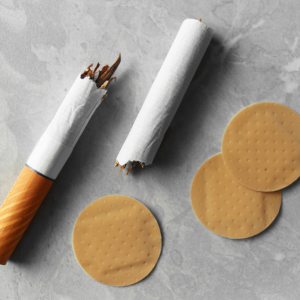
Consider using nicotine patches, gum, or lozenges to help manage cravings. These products can provide a controlled dose of nicotine, easing withdrawal symptoms. - Avoid High-Risk Situations:
Identify situations that trigger your cravings and try to avoid them, especially during the early stages of quitting. If you’re invited to a social event where smoking is common, consider skipping it or finding a smoke-free environment. - Develop a Relapse Prevention Plan:
Create a plan outlining how you will respond to cravings and potential triggers. This can include coping strategies, supportive contacts, and positive affirmations to reinforce your commitment to staying smoke-free. - Stay Positive and Focused on Your Goals:
Remind yourself why you decided to quit in the first place. Keeping a list of your reasons for quitting can help strengthen your resolve during difficult moments.
Conclusion
Managing cravings and avoiding smoking triggers is a vital part of your smoke-free journey. By understanding your triggers and implementing practical strategies to cope with cravings, you can increase your chances of long-term success. Remember that cravings are temporary and manageable, and you have the strength to overcome them.
If you need support on your path to quitting, explore our resources at Kick the Habit, where we offer a variety of nicotine replacement products and tools to help you stay smoke-free. Together, we can work toward a healthier, smoke-free future!