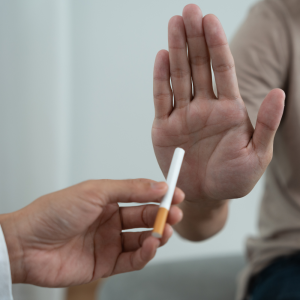
Quitting smoking is one of the best decisions you can make for your health. While the journey may be challenging, the benefits start to take effect almost immediately. In this post, we’ll explore the timeline of health improvements your body experiences after you quit smoking, from the first 20 minutes to years later.
20 Minutes After Quitting
- Heart Rate and Blood Pressure:
Just 20 minutes after quitting, your heart rate and blood pressure begin to drop, returning to normal levels. This decrease reduces your risk of heart disease and improves circulation.
12 Hours After Quitting
- Carbon Monoxide Levels:
Within 12 hours, the carbon monoxide levels in your blood return to normal. This allows your body to transport oxygen more effectively, improving overall health.
2 Weeks to 3 Months After Quitting
- Improved Circulation:
As you continue to refrain from smoking, your circulation improves significantly, making physical activity easier and more enjoyable. You may notice increased stamina and reduced shortness of breath. - Lung Function:
Your lung function begins to improve, making it easier to breathe. Many ex-smokers report reduced coughing and less phlegm production during this time.
1 to 9 Months After Quitting
- Respiratory Improvements:
Over the next several months, the cilia (tiny hair-like structures) in your lungs begin to regenerate. This restoration helps clear mucus and debris from your airways, reducing the risk of infections. - Reduced Coughing and Shortness of Breath:
Many people experience a significant reduction in coughing and shortness of breath. You may find that physical activities become easier and more enjoyable.
1 Year After Quitting
- Heart Disease Risk:
After one year, your risk of heart disease is cut in half compared to that of a smoker. This is a significant step toward better cardiovascular health.
5 Years After Quitting
- Stroke Risk:
Five years after quitting, your risk of stroke can fall to that of a non-smoker. Your body continues to heal, and your overall health improves.
10 Years After Quitting
- Cancer Risk Reduction:
Ten years after quitting, your risk of lung cancer drops significantly. In fact, your risk is now about half that of a smoker. Additionally, the risks of cancers of the mouth, throat, esophagus, bladder, and pancreas decrease.
15 Years After Quitting
- Heart Disease Risk:
At the 15-year mark, your risk of heart disease is similar to that of a non-smoker. This milestone reflects the tremendous healing your body has undergone since you quit.
20 Years After Quitting
- Lung Health and Overall Life Expectancy:
After 20 years, the risk of dying from lung cancer is nearly equal to that of a non-smoker. Overall, your life expectancy increases significantly, and you enjoy a better quality of life.
Conclusion
The benefits of quitting smoking are profound and far-reaching, starting almost immediately and continuing for years. While the journey may have its challenges, the improvements in your health and well-being are well worth the effort. If you’re considering quitting, know that your body has an incredible ability to heal.
Explore our range of nicotine replacement products and support resources at Kick the Habit to help you on your journey to a smoke-free life. Together, we can help you achieve lasting health benefits and a brighter future.